

12/01/2026
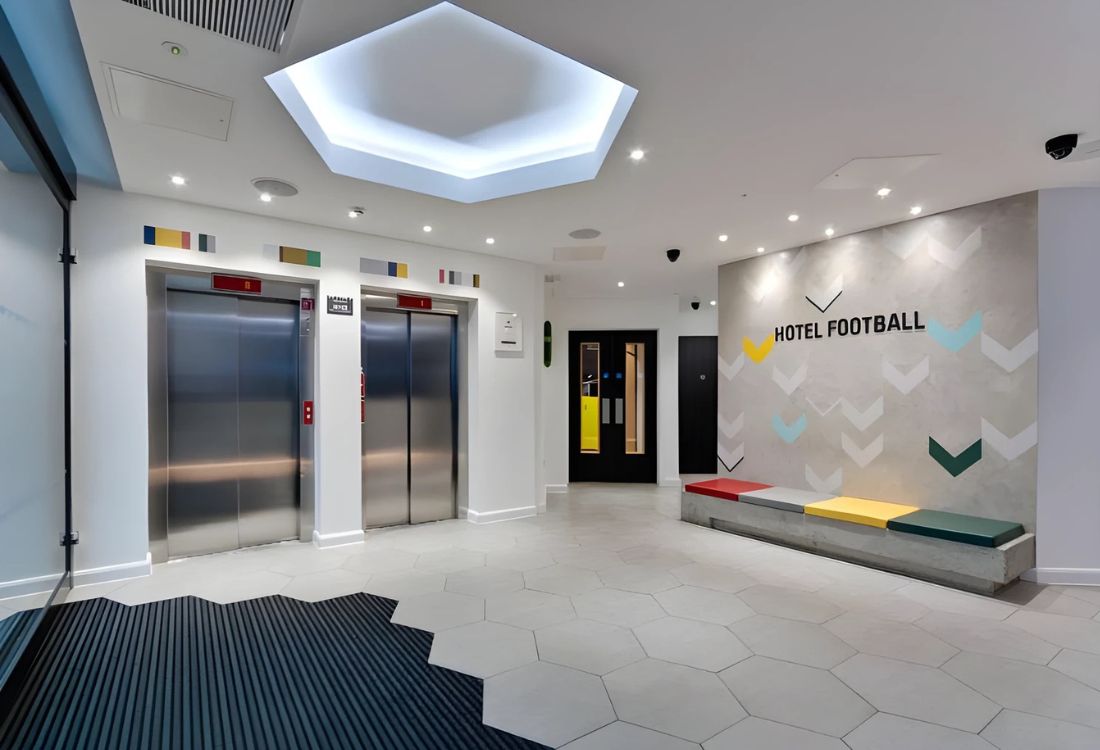
Perfect signage is a highly subjective term. Signage that is perfect for a country pub might look significantly out of place in a city centre office, for example, and vice versa. By perfect, therefore, we mean perfect for your business and your customers. The right signage is crucial for conveying your brand identity, attracting customers, and meeting local regulations. However, with countless options available, the decision-making process can feel overwhelming for businesses, which is why so many businesses take a cookie-cutter approach to signage, relying on templates ordinarily designed.

This article simplifies the process with clear, actionable steps to help you choose signage that aligns with your goals and resonates with your audience.
Define your objectives
What do you want your signage to achieve? The road to perfection starts by identifying what you want your signage to accomplish. For instance, is the goal to boost brand visibility, guide customers around an office or shop, or promote a specific campaign, product or service? Clarifying your objectives will help determine the type of signage you need, whether it’s outdoor, indoor, informational, or promotional.
Align with your business identity
Your signage should, ideally, embody your brand’s personality, and this is as true for strictly functional wayfinding signage as it is for more promotional marketing-oriented site. Incorporate your logo, brand colours, and typography into each sign to ensure a cohesive and professional appearance across all your signage assets. For instance, a sleek, minimalist design might suit a modern tech company, while a boutique bakery could benefit from warmer tones and whimsical fonts that appeal to families.
Maximise visibility and readability
Effective signage grabs attention and communicates its message instantly, conveying in moments and messes that might require hundreds of words to get across. For this to work, install important informative signs in highly visible locations, such as shopfront windows or high-traffic areas, to reach your target audience. Opt for fonts, colours, and lighting architecture that make the sign easy to read in any condition. For outdoor or low-light environments, LED-illuminated signs can greatly enhance visibility and impact.
Choose durable materials
For outdoor signage, prioritise materials that can withstand weather and wear, such as weather-resistant vinyl, aluminium, or acrylic. Indoor signs, on the other hand, can use materials like wood or fabric for a stylish yet cost-effective touch. Balance durability, functionality, and budget when selecting materials.
Understand local regulations
Different cities, regions, local authorities have specific rules governing signage size, placement, and illumination. Check your local council’s guidelines to ensure compliance and avoid penalties or the need for expensive redesigns. Doing your research upfront will save you time and money later.
Plan for flexibility and growth
As your business evolves, your signage needs may change, so consider investing in adaptable solutions like digital signage, which allow you to update content quickly and easily, or modular wayfinding systems that can grow alongside your business offerings. Future-proofing your signage ensures it remains relevant, consistent, and functional throughout time.
Next steps
Get in touch with the team at Image Technique today for support choosing the perfect signage solution for your business.


